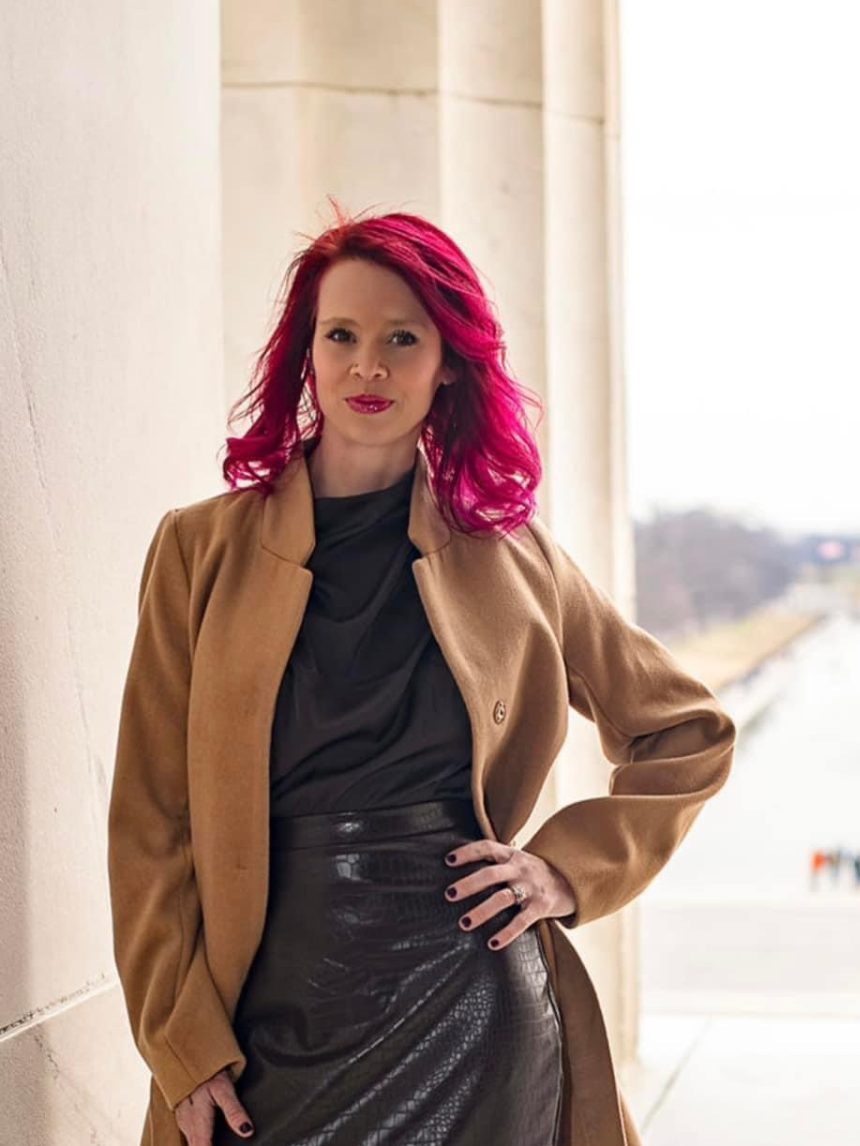
Nicole B Gebhardt
“Home, to me, is no longer a place; it’s a feeling. It’s the people we carry, the love we hold on to, and the strength we build in the spaces in between.”
At WeVett, our work centers around helping military families find and finance their homes, but we know that the meaning of home reaches far beyond four walls. It’s shaped by transition, new traditions, and the people who make it all possible.
Few understand this better than the spouses who live it every day.
In honor of the Armed Forces Insurance 2026 Military Spouse of the Year, we’re sharing seven stories, one from each branch’s finalist, offering a deeper look at what “home” really means in the midst of military life.
Their Story
“Home, to me, is no longer a place; it’s a feeling. It’s the people we carry, the love we hold on to, and the strength we build in the spaces in between.”

Nicole B. Gebhardt didn’t arrive at this understanding lightly. It’s been shaped over time, through military life, through loss, and through perseverance.
In 2009, Nicole lost her nine-week-old son Samuel to SIDS, adding to years of compounding grief—multiple miscarriages, spousal abuse, and an addiction that she describes as nearly destroying her. For a long time, the idea of "home" was elusive. How do you build something safe and steady when everything inside you is falling apart?
Now, home lives in the communities she builds wherever the military sends her family. It’s the coffee meetups, the support groups, and the safe spaces she intentionally creates the moment she arrives somewhere new. But it also holds a different meaning.
“Home also lives in the invisible,” she says. “In the babies I carry in my heart, in the grief I’ve learned to walk beside, and in the purpose that was born from that pain.”
That purpose has an impact. As a National Guard spouse who’s PCSed nine times, four-time best selling author, and speaker, Nicole has made it her practice to build what she once needed immediately and intentionally, wherever she lands. This looks like support groups for women navigating pregnancy and infant loss, spaces where grief doesn’t have to hide behind strength, and community with intentionality.
“I don’t wait for home to find me,” she says. “I create it.”

Military life, she adds, has a way of redefining home by force. The walls and zip codes change. The school, grocery store, neighbors–all of it is new, sometimes every two years. For Nicole, that constant motion not only reshaped where she lived, but sharpened what she noticed, revealing gaps in military community networks.
She saw spouses arriving at new duty stations in the middle of grief with no support system in place and no time to build one before the next move. Women navigating pregnancy loss in silence because the community around them didn’t have the language or space for it.
This is where Nicole’s mission lives. “I’ve made it my purpose to create spaces of belonging, support, and understanding,” she shares. “Because even when everything else changes, every spouse deserves a place that feels like home in the middle of uncertainty.”
What she wants more people to understand is this: for military families, home is often a place built under pressure and in silence. It’s both strong and fragile. There’s deployments and constant change. That builds resilience, but it also means showing up for others while quietly carrying your own heartache.
She states, “Resilience doesn’t mean we don’t need support. It doesn’t mean we aren’t hurting.”
Home, in her experience, isn’t picture-perfect. Instead, it’s real, raw, and constantly being rebuilt. That’s why she invests in community, raises awareness, and advocates for causes that matter so deeply. She’s learned that it’s all about bringing people together–especially women. As she says, “When you create a space where women feel seen, heard, and supported—that’s when a place truly becomes home.”

Her advice to any spouse heading into their next PCS, deployment, or challenging season is simple, and it comes from someone who has lived every word of it: give yourself permission to feel everything. Find your people. Find your voice. And if you can’t find the support you need, create it.
Nicole leaves us with this word of encouragement:
“You are stronger than you realize, but you were never meant to do this alone. There is power in community, healing in connection, and purpose in your story. No matter where you go, you have the ability to build something meaningful and to help other women feel at home too.”
Learn more about Nicole’s work here.
In Their Own Words
When you think about “home,” what does that word mean to you right now?
Home, to me, is no longer a place, it’s a feeling. It’s the people we carry, the love we hold on to, and the strength we build in the spaces in between. As a military spouse, home has been packed into boxes, stretched across time zones, and rebuilt more times than I can count. But as a mother who has experienced pregnancy and infant loss, home also lives in the invisible—in the babies I carry in my heart, in the grief I’ve learned to walk beside, and in the purpose that was born from that pain. Right now, home means creating safety, connection, and belonging—not just for my family, but for other women who are navigating loss, trauma, and life within the military. Home is where healing begins and where no woman has to feel alone.
How has PCSing (or deployments/TDYs) shaped or changed the way you think about home?
PCSing and the constant rhythm of military life have completely redefined home for me. It’s taught me that home isn’t rooted in walls, it’s rooted in resilience. It’s in the friendships formed quickly but deeply, in the community we build wherever we land, and in the courage it takes to start over again and again. But it has also shown me the gaps—the moments when spouses, especially those experiencing pregnancy and infant loss, feel unseen and unsupported during transitions, deployments, or separations. That’s where my mission lives. I’ve made it my purpose to create spaces of belonging, support, and understanding, because even when everything else changes, every spouse deserves a place that feels like home in the middle of uncertainty.
What’s something you wish more people understood about what “home” looks like for military families?
I wish more people understood that for military families, home is built under pressure and often in silence. It’s strong, but it’s also fragile. It’s holding everything together during deployments, navigating constant change, and showing up for others even when you’re carrying your own heartbreak. For many, including those walking through pregnancy and infant loss, home can also be a place where grief quietly exists behind strength. Military spouses are some of the most resilient individuals—but resilience doesn’t mean we don’t need support. It doesn’t mean we aren’t hurting. Home is not always picture-perfect—it’s real, it’s raw, and it’s constantly being rebuilt. And that’s exactly why community, awareness, and advocacy matter so deeply.
What’s one thing you always do to make a new place feel like home?
I build connection intentionally and immediately. Whether it’s hosting coffee meetups, creating safe spaces for conversation, or starting support groups for women navigating pregnancy and infant loss, I don’t wait for home to find me—I create it. I’ve learned that when you bring people together, when you create a space where women feel seen, heard, and supported—that’s when a place truly becomes home. It’s not about the house, it’s about the hearts inside it.
What’s one piece of advice you’d give a spouse heading into their next PCS (or deployment/training season)?
Give yourself permission to feel everything and don’t do it alone. Starting over is hard. Transitions can bring excitement, but they can also bring loneliness, grief, and uncertainty, especially if you’re carrying unseen pain. My advice is this: find your people and find your voice. Don’t be afraid to reach out, to share your story, or to ask for support. And if you don’t see the support you need—create it. You are stronger than you realize, but you were never meant to do this alone. There is power in community, healing in connection, and purpose in your story. No matter where you go, you have the ability to build something meaningful and to help other women feel at home too.
Every Military Family Deserves a Great Agent
We match you with experienced, military-savvy real estate agents wherever your orders take you.